Why Is My Hot Water System Leaking? Top 5 Reasons & What To Do To Fix It!
Is Your Hot Water System Leaking? Here's What You Need To Know
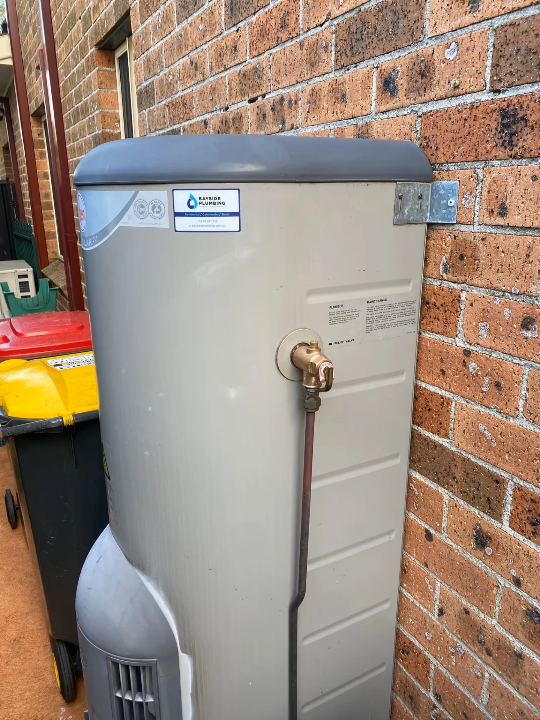
If your hot water system is leaking, it's important not to ignore the problem. Even a small leak can quickly turn into water damage, higher utility bills and costly repairs if left unresolved. In some cases, what appears to be a minor drip may be an early warning sign of tank failure, corrosion or a plumbing issue that requires immediate attention.
Whether you have an electric water heater, gas water heater or storage hot water tank, identifying the source of the leak early can help prevent further damage to your home and plumbing system. While some leaks are relatively simple to repair, others may indicate that your hot water heater is nearing the end of its lifespan.
In this guide, we'll explain the most common causes of hot water system leaks, what steps you should take and when it's time to call a licensed plumber.
If you're dealing with a leaking hot water system right now, request a call back or call Bayside Plumbing on 0485 800 219 for fast assistance across Sydney.
Where Is The Leak Coming From?
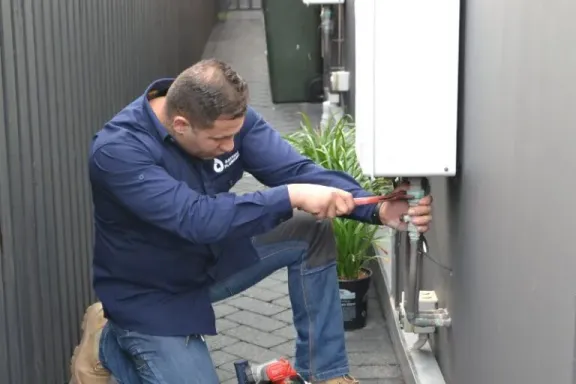
Before determining the cause of the problem, it's important to identify where the water is coming from.
Sometimes homeowners assume there is an actual leak when moisture is simply caused by condensation. This is particularly common during hot days when the temperature difference between the tank and surrounding air creates moisture on the exterior of the system.
In other situations, you may notice a puddle forming around the base of the unit, dripping water from a valve or a constant stream coming from a pipe connection. The location of the leak often provides valuable clues about the underlying issue.
Common areas where water heater leaks occur include:
- The pressure relief valve
- The drain valve
- The cold water inlet
- The hot water supply connection
- Pipe fittings
- The water heater tank itself
- The base of the hot water tank
Understanding where the water is escaping can help a plumber quickly diagnose the problem and determine whether repairs or replacement are required.
1. A Faulty Pressure Relief Valve
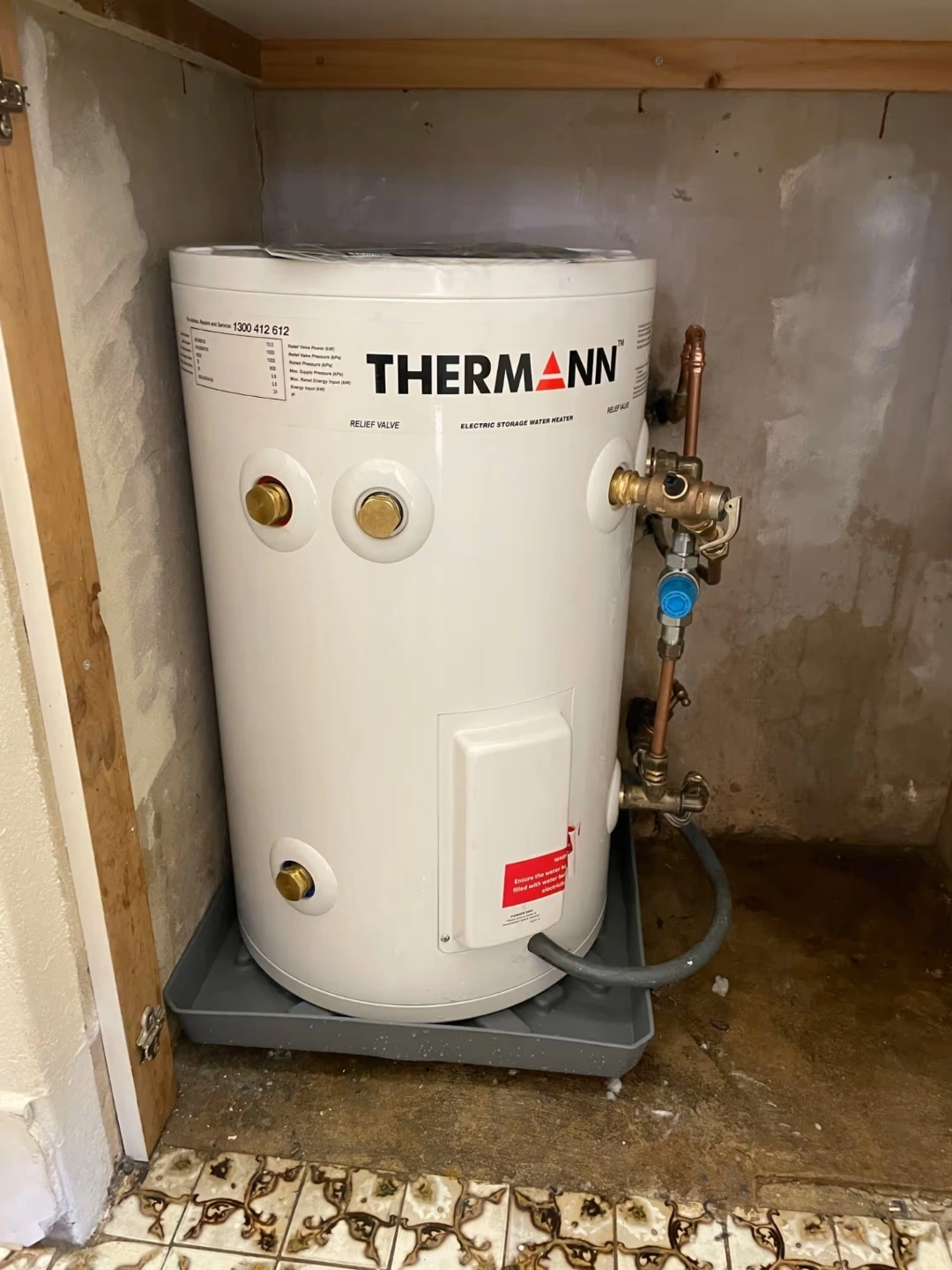
One of the most common causes of a hot water system leak is a faulty pressure relief valve.
Every hot water heater contains a temperature relief valve or pressure relief valve designed to release excess pressure from the system. As heated water expands inside the tank, pressure builds. Without a functioning valve, dangerous levels of pressure could develop.
An occasional drip from the pressure relief valve isn't always a cause for concern. During periods of high demand or high water pressure, the valve may release a small amount of water as part of normal operation.
However, a constant drip, steady leak or continuous discharge often indicates a faulty pressure relief valve that requires inspection.
Potential causes include:
- Excessive water pressure
- Valve failure
- Sediment build-up
- Incorrect valve installation
- Age-related wear
If ignored, a faulty valve can increase the risk of further damage and compromise the safety of the entire system.
2. Loose Pipe Fittings & Water Connections
Your hot water system relies on a network of pipe fittings to move cold water into the unit and distribute hot water throughout your property.
Over time, vibration, expansion and contraction can cause pipe fittings to loosen. This may result in water escaping around joints, valves and connections.
Some of the most common locations for leaks include:
- The cold water inlet
- The hot water supply outlet
- Gas valve connections
- Flexible plumbing connections
- Isolation valves
A small leak around a connection may initially appear insignificant. However, even a small amount of water leaking over an extended period can cause water damage to flooring, cabinetry and surrounding structures.
In some cases, what appears to be a leaking hot water system is actually a leaking pipe located nearby. A qualified plumber can inspect the surrounding plumbing and confirm the exact source of the problem.
3. A Leaking Drain Valve
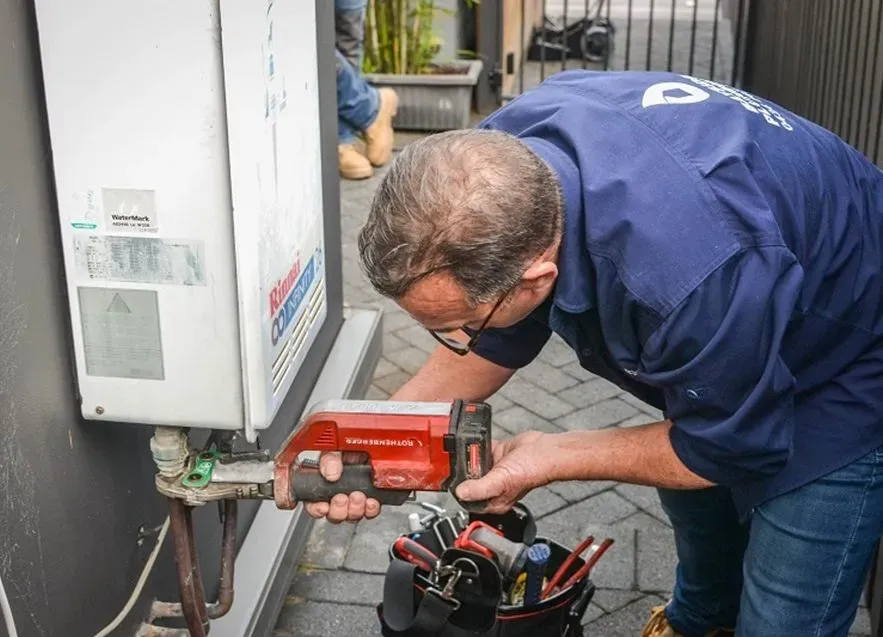
The drain valve is used when servicing and maintaining a hot water tank. During maintenance, plumbers can use the drain valve to remove sediment and flush the system.
Like any valve, it can wear out over time.
A leaking drain valve often causes water to collect around the bottom of the tank. You may notice dripping water, a small puddle or dampness near the base of the unit.
Common signs include:
- Water around the base of the system
- Visible dripping water
- Corrosion around the valve
- Reduced valve performance
In many cases, replacing the valve can resolve the problem quickly. However, if corrosion has spread beyond the valve itself, further investigation may be required.
4. Corrosion Inside The Water Tank
Corrosion is one of the most serious possible causes of a leaking hot water system.
Most storage hot water tanks contain a sacrificial anode that helps protect the interior of the water tank from corrosion. As this component deteriorates over time, the tank becomes more vulnerable to rust and internal damage.
Signs of corrosion can include:
- Brown water from taps
- Rust-coloured water
- Visible corrosion around the tank
- Water pooling underneath the system
- Reduced heating performance
Once corrosion penetrates the internal water heater tank, repairs are rarely practical. In many cases, replacement is the safest and most cost-effective option.
If your hot water tank is more than ten years old and showing signs of corrosion, it's worth arranging a professional inspection before a complete tank failure occurs.
5. An Ageing Hot Water System
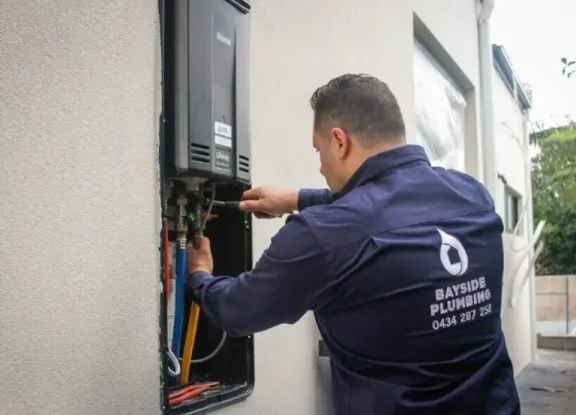
Sometimes the simplest explanation is the correct one.
Like all appliances, hot water systems have a limited lifespan. Regardless of whether you own a gas water heater or electric water heater, components naturally wear out over time.
Older systems are more likely to experience:
- Valve failures
- Water leaks
- Corrosion
- Reduced efficiency
- Heating problems
- Internal tank damage
As systems age, multiple small problems can begin occurring at once. A leaking valve today may be followed by a water heater tank issue a few months later.
If your system is approaching the end of its expected lifespan, replacement may ultimately provide better value than repeated repairs.
Can A Leaking Hot Water System Be Repaired?
The good news is that many hot water system repairs are straightforward when the issue is identified early.
Repairs may be possible when the leak is caused by:
- Loose pipe fittings
- Faulty valves
- Drain valve issues
- Pressure relief valve faults
- Minor plumbing problems
However, if the leak originates from the water tank itself, replacement is often required.
The location of the leak plays a major role in determining the appropriate solution. Bottom leaks are particularly concerning because they frequently indicate internal tank deterioration.
A professional plumber can assess the condition of the system and provide clear advice regarding whether repairs or replacement will be the most practical long-term solution.
What Should You Do If Your Hot Water System Is Leaking?
If you discover a hot water system leak, taking prompt action can help minimise damage.
First, inspect the area and determine whether the water is coming from the system or another source. Nearby appliances, a toilet, drains, water meter connections or even a pool filtration system can sometimes create confusion.
If the hot water system appears to be the source, follow these steps:
- Turn off the power supply to the heater.
- Shut off the cold water supply feeding the system.
- Avoid using hot water until the problem is assessed.
- Contact a licensed plumber for professional advice.
If you notice a gas leak, smell gas or suspect a fault involving a gas valve, evacuate the area and seek emergency assistance immediately.
Attempting DIY repairs on a pressurised hot water heater can be dangerous and may create additional plumbing problems.
How To Prevent Future Hot Water System Leaks
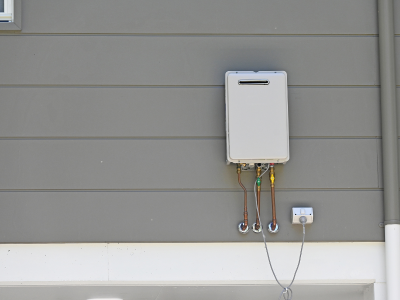
While not every problem can be prevented, routine maintenance significantly reduces the likelihood of unexpected breakdowns.
Regular servicing can help identify:
- Worn valves
- Loose pipe fittings
- Corrosion
- High water pressure
- Sediment build-up
- Water hammer issues
Water hammer occurs when sudden pressure changes create shockwaves within the plumbing system. Over time, these pressure fluctuations can place stress on pipes, valves and the hot water system itself.
Preventative maintenance also improves efficiency, extends system lifespan and helps avoid costly repairs down the track.
Need Help With A Leaking Hot Water System?
If your hot water system is leaking, don't wait for a small problem to become a major one. Whether you're dealing with a faulty pressure relief valve, water heater leaks, corrosion, a leaking drain valve or a complete tank failure, Bayside Plumbing can help.
Led by award-winning founders Alan and Andrew, our team brings more than 40 years of plumbing experience to every job. We provide professional hot water system repairs, replacements and maintenance services across Sydney, backed by a 100% labour guarantee.
Our experienced plumbers are available 24 hours a day, 7 days a week to respond to emergencies and restore your hot water supply as quickly as possible.
Request a call back today or call 0485 800 219 to speak with a qualified plumber about your leaking hot water system.